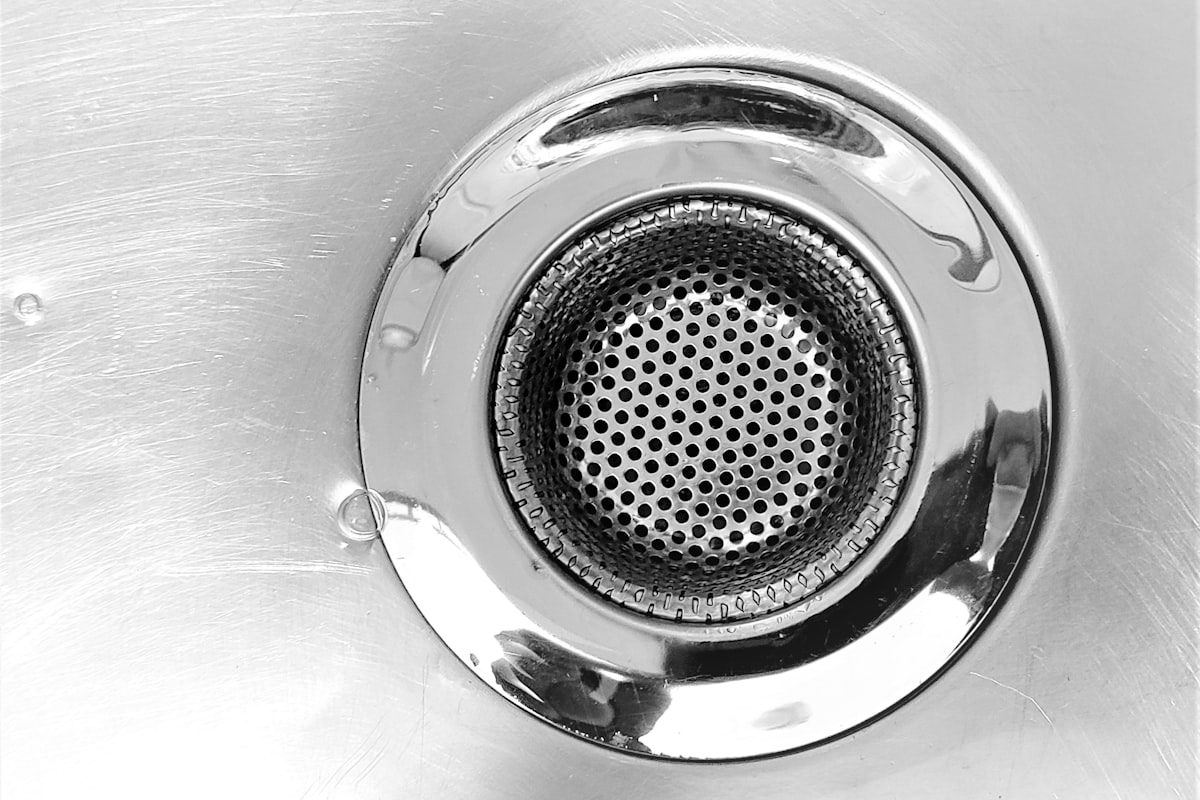
A slow or blocked drain is one of the most common household annoyances — and one of the most over-treated. The bottle of chemical drain cleaner under the sink is harsh on your pipes, dangerous to handle, bad for the environment, and often doesn’t even work on the clog you have. The good news: most clogs come from grease, soap scum, and hair, and those respond well to simple mechanical and natural methods. Here are seven, from gentlest to most hands-on.
A safety note: if you’ve already poured chemical drain cleaner down the drain, do not follow it with these methods or attempt to remove the trap — the standing caustic liquid is dangerous. Wait, or call a plumber.
1. Boiling water (start here)
The simplest fix, and often enough on its own for grease and soap clogs:
- Boil a full kettle or pot of water.
- Pour it slowly, in stages, down the drain, pausing a few seconds between pours to let it work.
The heat melts grease and loosens soap scum. One caution: don’t use boiling water on PVC pipes if you can avoid it (very hot water can soften them) or on porcelain sinks that might crack — very hot tap water is a safer middle ground for those.
2. Baking soda + vinegar (the classic)
The reliable natural method for organic buildup:
- Pour boiling water down the drain first to loosen things.
- Drop in about ½ cup of baking soda. Let it sit 5 minutes.
- Pour in 1 cup of white vinegar. It will fizz vigorously — that reaction helps break up the gunk.
- Cover the drain (to keep the reaction working downward) and wait 10-15 minutes.
- Flush with another kettle of boiling water.
Great for maintenance and light-to-moderate clogs. Repeat once if the drain is still slow.
3. The plunger
Mechanical pressure clears many clogs that chemicals can’t:
- For a sink, use a cup plunger (the flat kind), not a toilet flange plunger.
- If it’s a double sink, block the other drain with a wet cloth; block the overflow opening on bathroom sinks too, so the pressure goes down the pipe.
- Fill the basin with enough water to cover the plunger cup.
- Plunge firmly and rapidly 15-20 times, then check the flow.
The push-pull pressure dislodges clogs and moves them along. This is often the single most effective step.
4. Remove and clean the trap
The U-shaped pipe under a sink (the “P-trap”) is designed to catch things — and it’s where a lot of clogs actually live:
- Put a bucket under the trap to catch water.
- Unscrew the two slip nuts by hand (or with pliers) and remove the curved section.
- Clear out the gunk, rinse it, and check for anything lodged inside.
- Reattach, hand-tighten, and run water to check for leaks.
Less intimidating than it sounds, and it directly reaches clogs the other methods only push at. This is also how you recover a ring or earring that went down the drain.
5. The bent wire hanger
For hair clogs near the opening (very common in bathroom sinks and tubs):
- Straighten a wire coat hanger, leaving a small hook bent at one end.
- Feed the hooked end into the drain past the stopper.
- Fish out the hair and gunk — pull it up and out, don’t push it down.
- Flush with hot water.
Bathroom clogs are usually a wad of hair and soap just below the stopper; this pulls it right out.
6. A drain snake (or zip-it tool)
For clogs deeper than the hanger reaches:
- Feed the snake or plastic zip-it strip into the drain until you hit resistance.
- Twist and push gently to break through or hook the clog.
- Pull it back out slowly, bringing the clog with it.
- Flush with hot water.
A cheap plastic zip-it tool costs almost nothing and works wonders on hair clogs; a proper drain snake handles deeper blockages.
7. Wet/dry vacuum
If you have a shop vacuum:
- Set it to liquids mode and remove the filter/bag per its instructions.
- Create the tightest seal you can over the drain (an old plunger head helps).
- Turn it to full suction to pull the clog up and out.
Surprisingly effective for solid clogs, because it pulls the blockage toward you rather than pushing it deeper.
Method-to-clog cheat sheet
| Situation | Best method |
|---|---|
| Slow drain, grease/soap | Boiling water → baking soda + vinegar |
| Bathroom sink/tub, hair | Bent hanger or zip-it tool |
| Kitchen sink, stubborn | Plunger, then clean the trap |
| Something dropped in | Remove and clean the trap |
| Deep, solid clog | Drain snake or wet/dry vacuum |
| Maintenance | Monthly baking soda + vinegar + hot water |
Keeping drains clear for good
Most clogs are preventable:
- Use drain strainers to catch hair in the bathroom and food scraps in the kitchen.
- Never pour grease or oil down the drain — it solidifies inside the pipe. Wipe pans with a paper towel and bin it.
- Run hot water for a few seconds after each use to keep residue moving.
- Monthly flush: baking soda, vinegar, then boiling water, as routine maintenance.
- Don’t treat the garbage disposal as a trash can — fibrous scraps (celery, potato peels) and starchy foods (rice, pasta) are notorious cloggers.
Work from gentlest to most hands-on: boiling water, then baking soda and vinegar, then the plunger, and only then the trap or snake. The large majority of household clogs clear within the first three steps — no caustic chemicals, no plumber, no damaged pipes.