Few household problems escalate as fast as fruit flies. On Monday you notice one hovering near the bananas; by Friday there is a small cloud rising from the fruit bowl every time you walk past. The good news: fruit flies are genuinely easy to eliminate once you understand the two-part rule — trap the adults, remove the breeding source. Do both tonight and the problem is usually over by tomorrow.
Here is exactly how to do it, with the three traps that consistently work and the checklist for finding where they are actually coming from.
Why fruit flies appear out of nowhere
Fruit flies (Drosophila melanogaster) are attracted to one thing: fermentation. Any sugary substance that is starting to break down — overripe fruit, wine dregs, juice residue, vegetable scraps — releases the exact scent they are wired to find.
They usually enter your home in one of two ways:
- As eggs on produce. Females lay eggs on the skin of ripening fruit before it ever reaches the store. You bring home bananas; three days later, the eggs hatch in your warm kitchen.
- Through any small opening. Adults can smell fermenting fruit from a surprising distance and slip through window screens, door gaps, and vents.
The math explains the speed of an infestation: one female lays up to 500 eggs, and in a warm kitchen the cycle from egg to breeding adult takes roughly 8 days. Two flies today is a hundred flies next week. That is why acting the same day matters.
Trap 1: Apple cider vinegar + dish soap (the classic, and still the best)
This is the trap to start with — cheap, fast, and reliably effective.
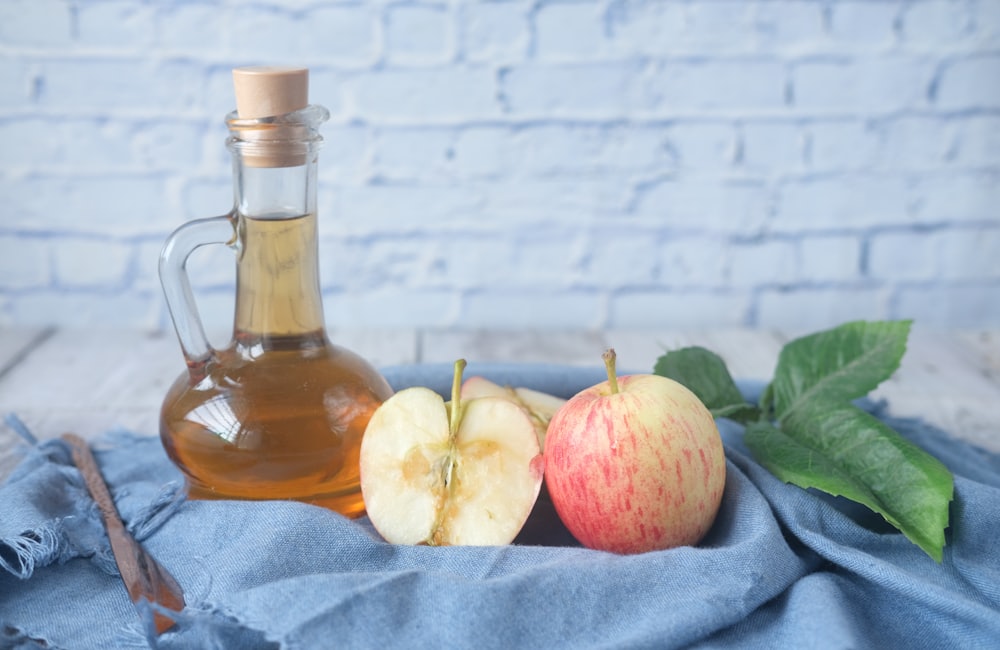
You need: a small bowl or glass, apple cider vinegar, dish soap, plastic wrap (optional).
- Pour about half an inch (1 cm) of apple cider vinegar into the glass.
- Add one drop of dish soap and swirl gently. Don’t skip this — it is the secret of the whole trap.
- Optional but recommended: cover the glass with plastic wrap and poke a few small holes with a toothpick.
- Place it right next to where the flies gather. Leave it overnight.
Why the soap matters: fruit flies are light enough to stand on the surface of liquid, drink, and fly away. The drop of soap breaks the surface tension, so the moment they land, they sink. Without soap you are running a fruit fly bar; with soap it is a trap.
Warm the vinegar for a few seconds first and it releases more scent, which speeds things up.
Trap 2: Overripe fruit + plastic wrap funnel
If you don’t have apple cider vinegar, use the bait they already love.
- Put a chunk of very ripe banana or other soft fruit in a jar.
- Cover with plastic wrap, secure with a rubber band, and poke 3–4 small holes.
- Leave it overnight next to the problem area.
The flies find their way in through the holes but rarely find their way out — they fly upward when startled, and the exit is below them. In the morning, take the jar outside (well away from the house) before opening it, or submerge it in soapy water first.
Trap 3: The wine or beer bottle
Almost embarrassingly simple: leave a bottle with a small amount of leftover red wine or beer standing near the infestation, and add a drop of dish soap. The narrow neck acts as a natural funnel — easy in, hard out — and fermented drinks are irresistible to them. This is a good “second trap” to run in a different spot, like near the trash can, while the vinegar trap covers the fruit bowl.
The step nobody does: kill the source
Traps catch adults, but if eggs and larvae are still hatching somewhere, new flies replace the trapped ones every day. While your traps work overnight, spend ten minutes on this checklist — the breeding source is almost always one of these:
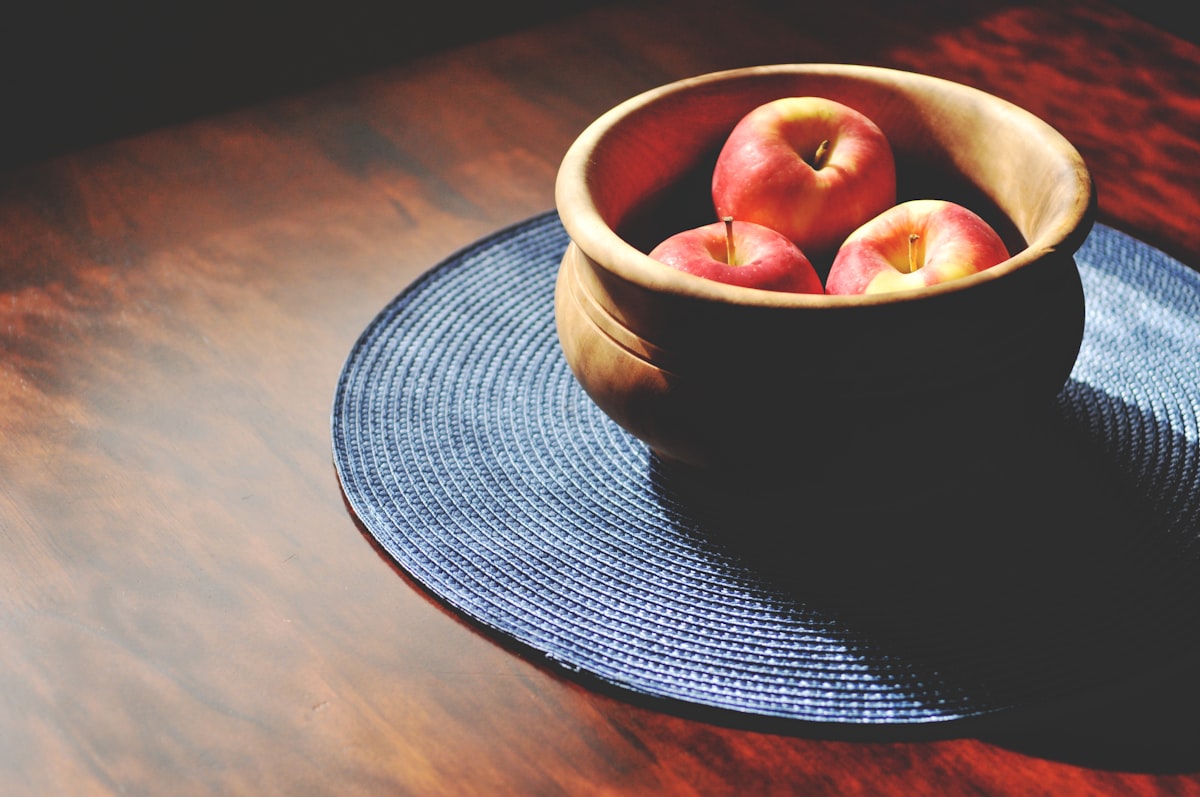
- The fruit bowl. Anything overripe, bruised, or split goes to the fridge or the (outdoor) trash tonight. Wash the remaining fruit and the bowl itself.
- The trash can. Take out the bag, then check the can — a splash of juice at the bottom is a nursery. Rinse it with hot soapy water.
- The sink drain. The slimy film inside drains is a classic hidden breeding site. Pour a kettle of boiling water down each drain, or scrub the first inches with a brush and baking soda. If flies keep hovering near the sink, tape plastic wrap over the drain overnight — flies stuck to it in the morning confirm the drain is the source.
- Under and behind things. A dried juice spill under the fridge, a forgotten potato at the back of the pantry, an onion gone soft in its bag. Follow your nose.
- Damp cloths and mops. Sour dish rags and sponges attract them too. Wash or replace.
- Empty bottles and cans. Rinse recyclables before they sit — beer and soda residue is prime real estate.
Overnight plan, summarized
| When | Action |
|---|---|
| Tonight, 5 min | Set the vinegar + soap trap next to the worst spot |
| Tonight, 5 min | Second trap (fruit funnel or wine bottle) near the trash or sink |
| Tonight, 10 min | Source checklist: fruit bowl, trash, drain, spills, rags |
| Tomorrow | Empty traps, refresh vinegar; repeat 2–3 days until zero flies |
Most infestations collapse within 24 hours of doing all three rows, because you are attacking both ends of the life cycle at once.
How to keep them from coming back
- Refrigerate ripe fruit. The counter fruit bowl is lovely, but in warm months it is fly bait. Once fruit is fully ripe, it goes in the fridge.
- Wash produce when you get home. A quick rinse removes eggs laid on the skin before they hatch in your kitchen.
- Empty the trash more often in summer. Heat cuts the fruit fly life cycle nearly in half, so what took two weeks in winter takes days in July.
- Keep drains clean. A monthly kettle of boiling water down the kitchen drain denies them their favorite hidden nursery.
- Rinse recyclables and don’t let empty wine bottles sit open.
Fruit flies are persistent, but they are not smart — they go wherever fermentation smells strongest. Make that smell come from your trap instead of your fruit bowl, cut off their nursery, and the cloud that took a week to build disappears in a night.