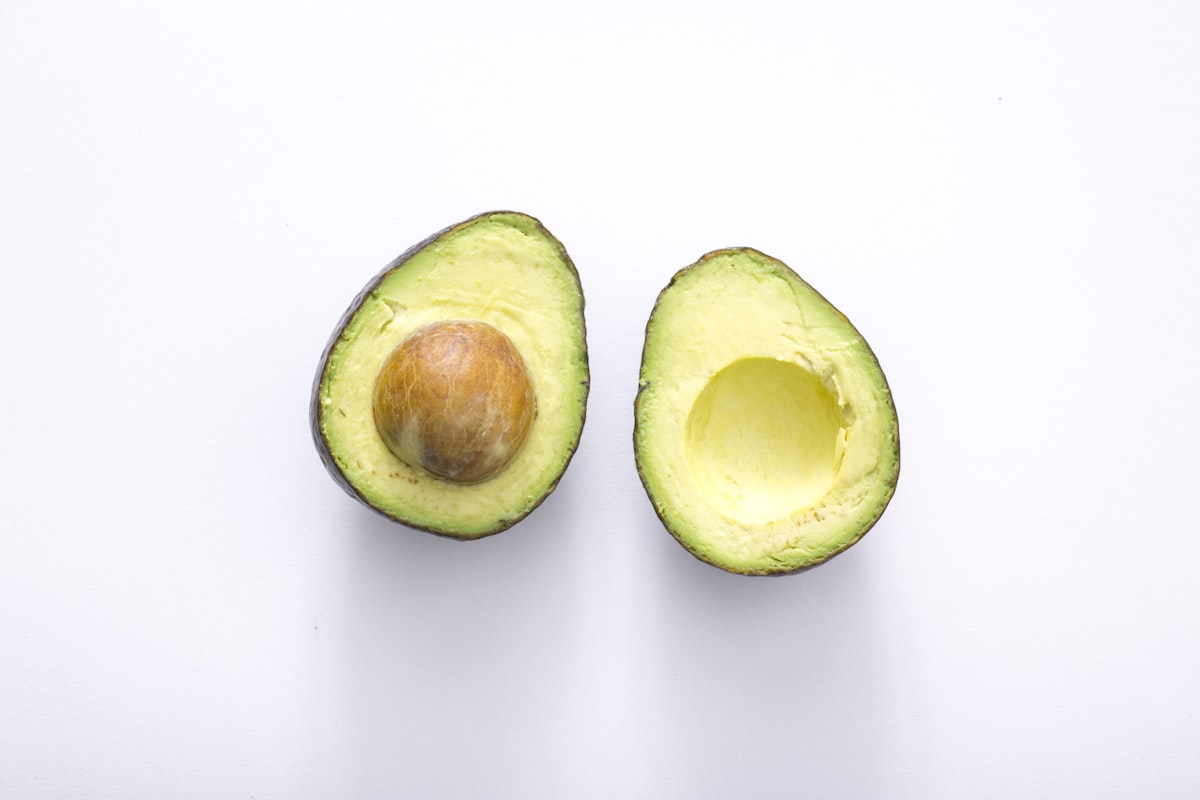
The avocado is the fruit of bad timing: rock-hard when you want guacamole tonight, and turned to brown mush the one day you forget about it. The frustrating part is how narrow the perfect window is. But ripening isn’t random — it’s driven by a gas called ethylene, and once you know that, you can both speed a hard avocado up and slow a ripe one down. Here’s how to do both, and which popular “hacks” actually work.
How avocados ripen (the key to everything)
Avocados are one of the few fruits that ripen only after they’re picked, not on the tree. That ripening is triggered by ethylene, a natural gas the fruit produces itself. The more ethylene concentrated around an avocado, the faster it ripens.
That single fact explains every method below: to speed things up, trap more ethylene near the avocado; to slow things down, remove the ethylene and add cold. Simple.
Speeding a hard avocado up
The paper bag method (best and most reliable)
- Place the hard avocado in a paper bag.
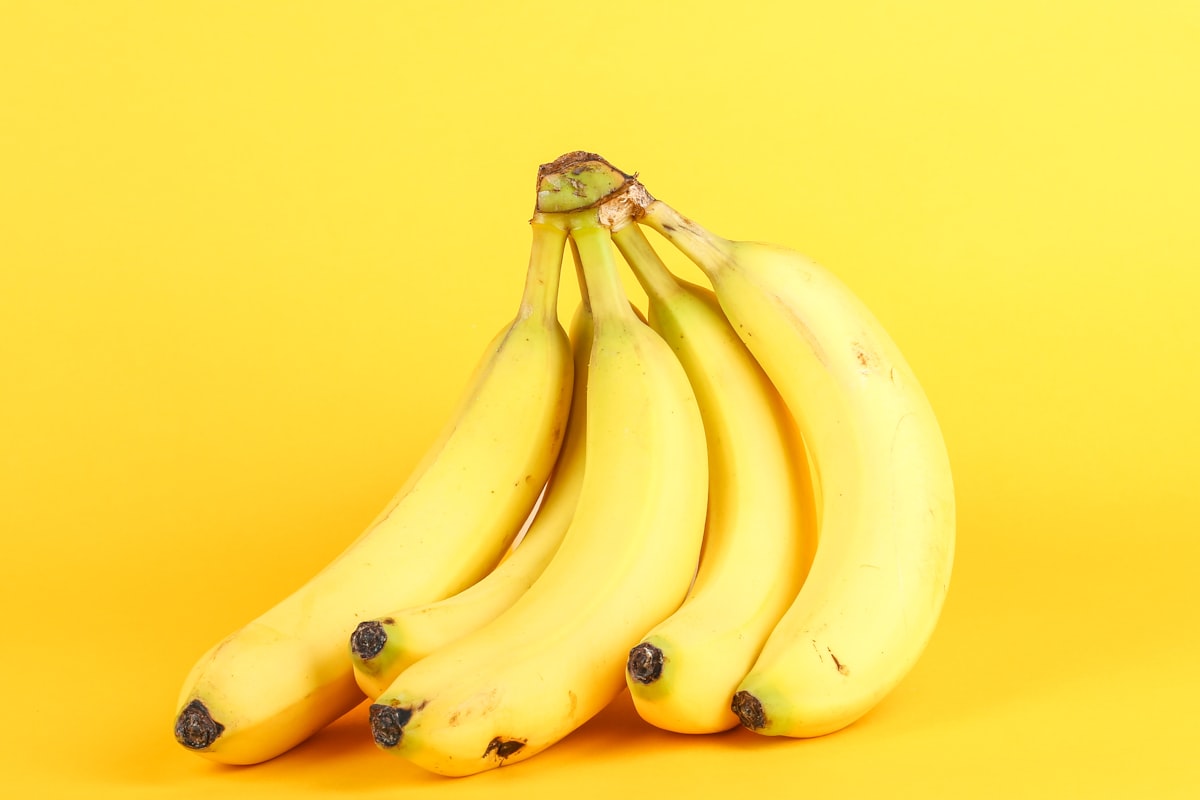
- Add a banana or apple — both are strong ethylene producers.
- Fold the bag closed to trap the gas and leave it on the counter.
- Check daily by gently pressing near the stem.
The bag concentrates the ethylene from both fruits around the avocado. Expect 1-3 days, sometimes overnight if the avocado was already close. Paper, not plastic — plastic traps moisture and can cause rot.
Just the counter (slower, hands-off)
No bag? A hard avocado left on the counter at room temperature ripens on its own in a few days. Warmth helps, so a spot away from the fridge (but out of direct sun) is ideal. This is the “I have time” method.
Next to a fruit bowl
Even without a bag, keeping the avocado beside bananas, apples, or tomatoes speeds it up, because those fruits are constantly releasing ethylene. Less powerful than the bag, but effortless.
What does NOT work (or barely does)
- The oven/microwave “hack”: wrapping an avocado in foil and baking at low heat, or microwaving it, softens the flesh but doesn’t truly ripen it. The taste stays flat and grassy, because flavor develops through slow chemistry that heat can’t fake. Use it only when you need soft avocado for a cooked dish and don’t care about flavor — never for fresh guac or toast.
- Submerging in flour or rice: folk tricks with no real advantage over a paper bag.
Manage your expectations: a truly rock-hard, just-picked avocado can’t become a restaurant-perfect one by tonight. The bag gets you there fastest, but ripening still takes real time.
How to tell when it’s ready
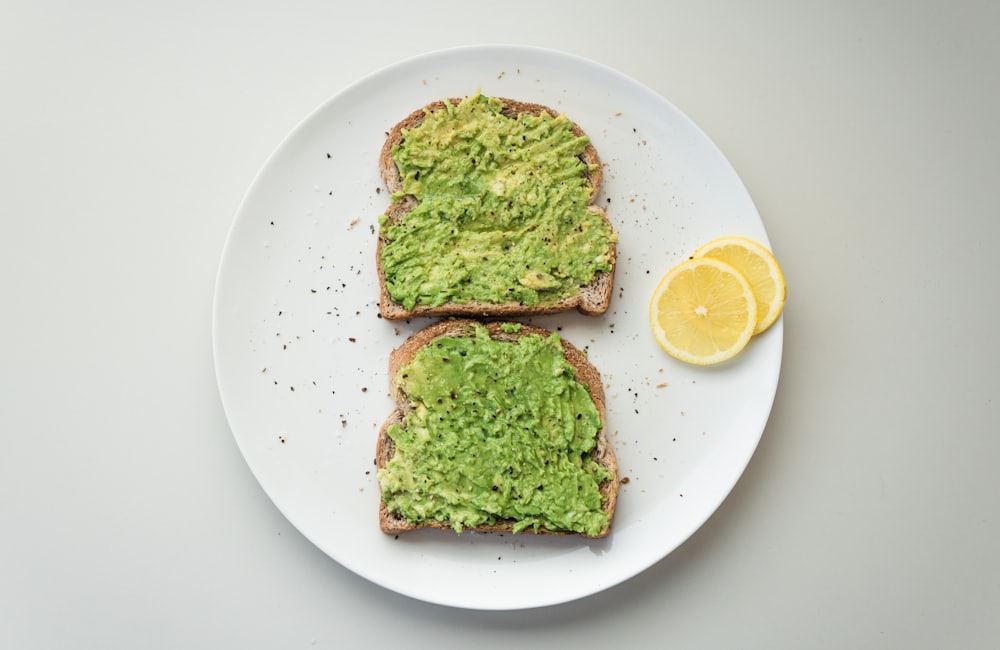
Two quick tests beat guessing:
- Gentle press near the stem. Cup the avocado in your palm and press lightly at the stem end (not with a fingertip, which bruises it). Ripe = yields slightly, not mushy.
- The stem test. Flick off the little stem nub:
- Green underneath → ripe and ready.
- Brown underneath → overripe, likely brown inside.
- Won’t come off → not ripe yet.
Skin color is a hint (Hass avocados darken as they ripen), but firmness is the real tell.
Slowing a ripe avocado down
Caught it at the perfect moment but not ready to eat it? Reverse the process:
- Refrigerate whole ripe avocados. Cold halts ripening and buys several extra days. (Don’t refrigerate hard ones — cold stops them ripening properly.)
- This is the trick to “pause” a perfect avocado until you need it.
Storing a cut avocado without the brown
Cut avocado browns fast because the flesh oxidizes in air. To slow it:
- Leave the pit in the half you’re not eating — it protects the flesh underneath it.
- Brush the exposed surface with lemon or lime juice. The acid slows the browning reaction.
- Seal out air: wrap tightly in plastic pressed against the flesh, or use an airtight container. Some people store it cut-side-down in a little water in the fridge for a day.
- Refrigerate.
Browning is mostly cosmetic — a brown layer can be scraped off and the green beneath is usually fine to eat, as long as it doesn’t smell off.
Quick reference
| Goal | Method |
|---|---|
| Ripen overnight | Paper bag + banana/apple, room temp |
| Ripen in a few days | Counter, out of the fridge |
| Check if ready | Gentle stem-end press; stem-nub test |
| Slow a ripe one down | Refrigerate whole |
| Save a cut half | Pit in, lime juice, airtight, fridge |
The winning routine: buy avocados a few days ahead while still firm, ripen the one you need in a paper bag with a banana, and move the rest to the fridge the moment they’re perfect. That way you always have a ready avocado — and never lose one to the brown-mush window again.