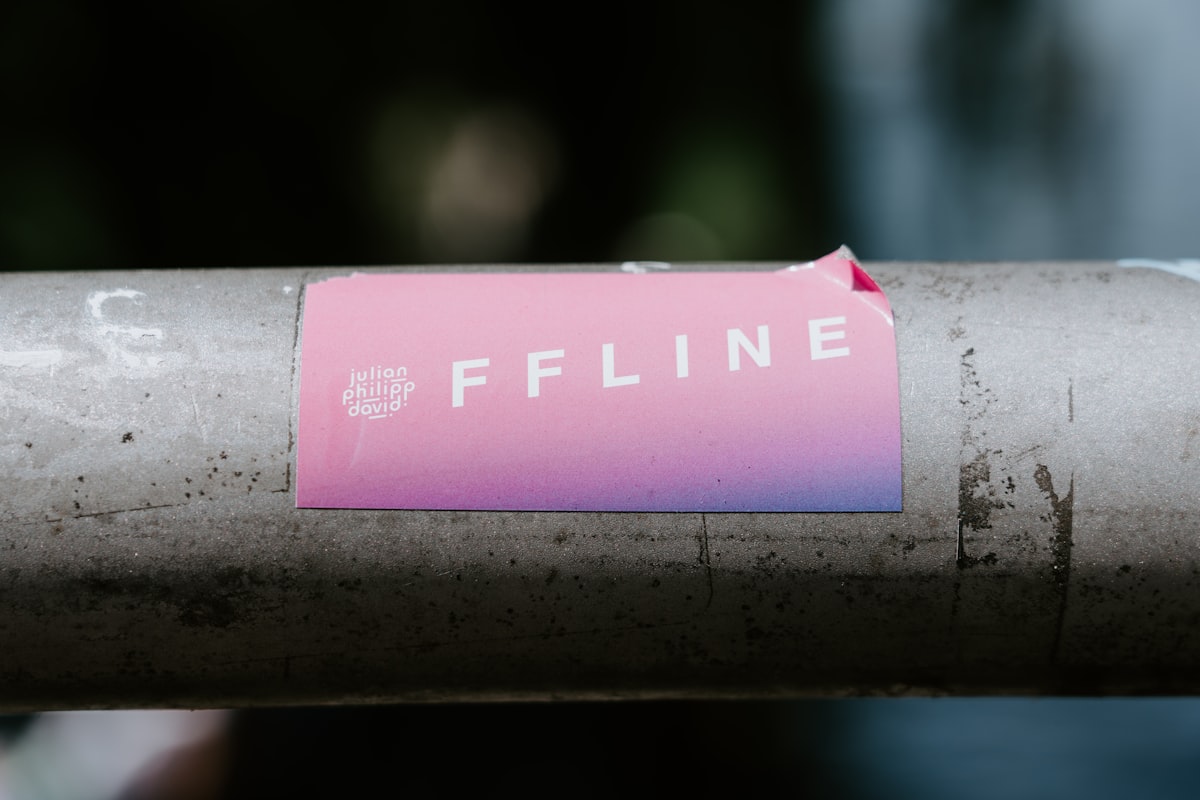
You peel off a price sticker or a label and there it is — that maddening layer of sticky gray gunk that grabs dust and won’t rub off. The trick to removing it cleanly is knowing that adhesive is dissolved by two things (oil and alcohol) and softened by a third (heat), and then matching the method to the surface so you don’t damage it. Here’s the full playbook.
First, the universal rules
- Peel off what you can while the residue is fresh — the sooner, the easier.
- Test any product in a hidden spot before going all-in, especially on plastic, wood, or painted surfaces.
- Use a plastic scraper, old card, or your fingernail — never a metal blade on soft surfaces.
- Be patient: let the oil or alcohol sit and soak in for a minute or two rather than scrubbing immediately. Dissolving beats brute force.
The two household heroes
Most residue comes off with one of these:
- Oil (cooking oil, coconut oil, or even peanut butter): soaks into the adhesive and breaks its grip. Best on hard, non-porous surfaces. Food-safe, gentle.
- Rubbing alcohol (or hand sanitizer): dissolves many adhesives and evaporates clean. Great when you don’t want an oily film.
Heat from a hair dryer softens stubborn residue and makes either method work faster.
By surface
Glass and ceramics (the easiest)
Glass tolerates almost anything:
- Soak in warm soapy water if the item allows, or apply oil / rubbing alcohol and let it sit.
- For baked-on residue (jars, bottles), warm it with a hair dryer, then scrape with a plastic card.
- Stubborn cases: WD-40 or a dedicated adhesive remover, then wash with soap and water.
Metal
Similar to glass and very forgiving:
- Oil, rubbing alcohol, or WD-40 applied and left a minute.
- Wipe, then wash off any oily film with soap and water.
Plastic (be gentle)
Plastic can cloud or melt with strong solvents, so go milder:
- Start with warm soapy water and a plastic scraper.
- Then oil — safe and effective on plastic.
- Avoid acetone (nail polish remover) and harsh solvents, which can dull or damage plastic. Test alcohol in a hidden spot first.
Wood (careful with the finish)
The finish is what you’re protecting:
- Use oil, not alcohol or acetone, which can strip varnish and paint.
- Rub with the grain using a cloth, let the oil work, then wipe.
- For unfinished wood, go gently — it’s porous and absorbs oil.
Clothes and fabric
- Scrape off the excess first.
- Rub in a little oil, or harden gum-like residue with an ice cube so it flakes off, or dab rubbing alcohol on the spot.
- Work from the back of the fabric, then wash as usual.
- Check before drying — a hot dryer sets any remaining residue permanently.
Skin
Adhesive (like from a bandage) on skin comes off easily with oil — baby oil, cooking oil, or lotion. Rub gently, no need for solvents.
Other things that work
- Baking soda + oil paste: mix into a paste, rub on hard surfaces, gentle abrasion plus dissolving power.
- White vinegar: soak a cloth and hold it on the residue to loosen it; good for glass and metal.
- Peanut butter: the oils break down adhesive — genuinely works on hard surfaces (and smells better than solvents).
- A hair dryer alone: sometimes warming and peeling is all you need, no chemicals.
Quick reference
| Surface | Best method | Avoid |
|---|---|---|
| Glass / ceramic | Oil, alcohol, WD-40, heat | — |
| Metal | Oil, alcohol, WD-40 | — |
| Plastic | Soapy water, oil | Acetone, harsh solvents |
| Wood | Oil, with the grain | Alcohol, acetone |
| Clothes | Scrape + oil/ice/alcohol, wash | Drying before it’s gone |
| Skin | Oil, lotion | Solvents |
The core idea is always the same: dissolve, don’t scrape. Let oil or alcohol sit and do the work, match the method to the surface, and even the most stubborn label gunk wipes away clean — no scratches, no frustration.