Most headaches are your body flagging something simple — you’re dehydrated, tense, tired, staring at a screen, or overdue for food. And most of those respond to drug-free fixes, especially if you catch them early. Here are ten methods that genuinely help, why they work, and — importantly — the warning signs that mean you should stop trying home remedies and see a doctor.
This article is general information, not medical advice. See the red-flag section below and consult a professional for severe or unusual headaches.
1. Drink water (start here)
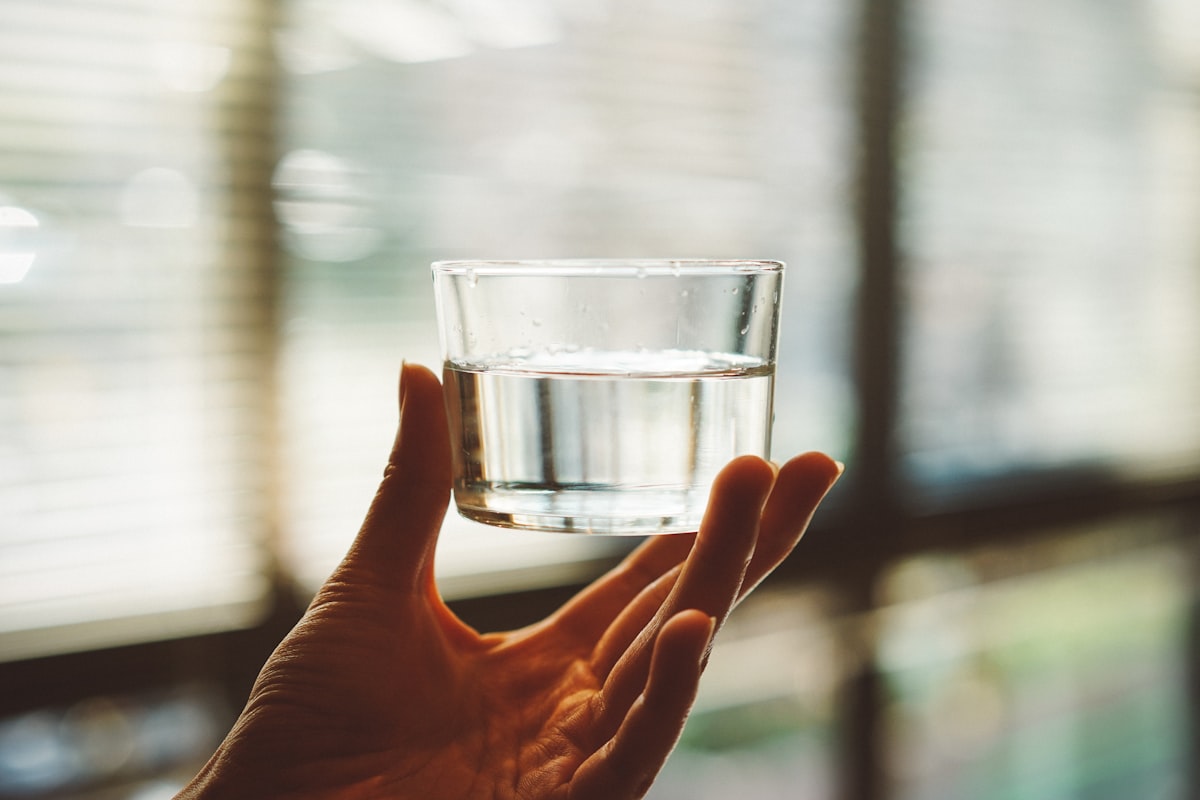
Dehydration is one of the most common headache triggers, and one of the easiest to fix. Low fluids affect blood flow and pressure around the brain and bring on a dull ache. Drink a large glass of water and keep sipping — especially after exercise, alcohol, heat, or a day where you forgot to drink. Many headaches ease within an hour of rehydrating. It’s free, so it’s always worth trying first.
2. Rest in a dark, quiet room
Light, noise, and screens intensify many headaches, particularly migraines. Lie down in a dark, quiet room, close your eyes, and give yourself 20-30 minutes away from all stimulation. For a lot of people this alone turns the corner. Turn your phone face-down — scrolling in the dark isn’t resting.
3. Cold or warm compress
Temperature therapy is simple and effective, and the type of headache guides which to use:
- Cold compress (a cloth-wrapped ice pack or cold cloth) on the forehead or temples helps many tension headaches and migraines by numbing and constricting.
- Warm compress or a heating pad on the back of the neck and shoulders relaxes the tight muscles behind many tension headaches.
Try one for 15 minutes; if it doesn’t help, try the other.
4. Ease the tension in your neck and shoulders
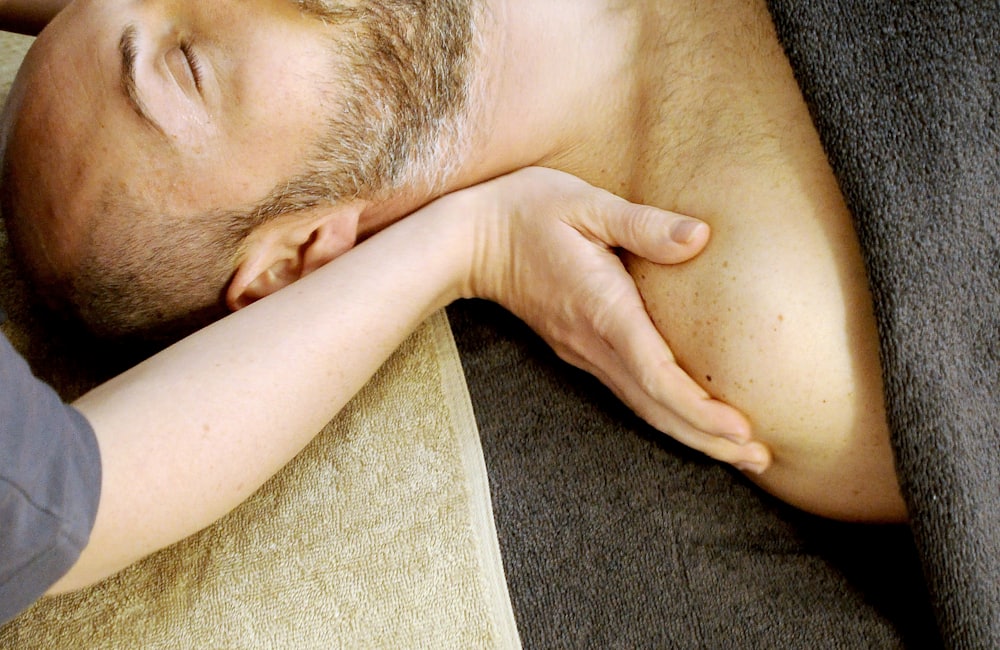
Tension headaches often start with tight muscles from hunching over a desk or phone. Gently:
- Roll your shoulders and slowly tilt your head side to side and forward.
- Massage the base of your skull, your temples, and your shoulders.
- Check your posture — a screen too low pulls your head forward for hours.
5. Try acupressure points
Pressure-point techniques help some people:
- The LI-4 point: the fleshy web between your thumb and index finger. Squeeze it firmly with the opposite hand’s thumb and finger for a minute or two. (Skip this if pregnant.)
- The temples and the base of the skull: small, firm circular massage for a minute.
6. A little caffeine (used carefully)
A small amount of caffeine can ease some headaches by narrowing blood vessels — it’s why it’s added to many pain relievers. A cup of coffee or tea may help. The catch: regular heavy caffeine use causes rebound and withdrawal headaches. Use it as an occasional tool, keep your daily intake consistent, and don’t lean on it every day.
7. Eat something
A drop in blood sugar from a skipped or late meal is a real trigger. If it’s been a while since you ate, have a balanced snack. Don’t fix it with sugar alone — that spikes and crashes; pair some carbs with protein.
8. Dim the screens and rest your eyes
Eye strain from hours of screens or reading brings on headaches. Use the 20-20-20 rule: every 20 minutes, look at something 20 feet away for 20 seconds. Adjust screen brightness to match the room, and check whether you’re squinting (you may need an eye exam).
9. Breathe and de-stress
Stress is a leading headache trigger. Slow breathing shifts your nervous system out of “tension” mode:
- Inhale slowly for 4, exhale for 6, for a few minutes.
- Progressive muscle relaxation — tensing and releasing muscle groups — helps too.
10. Get enough (but not too much) sleep
Both too little and too much sleep trigger headaches. If you’re running on little sleep, a short nap or an early night may resolve it. Aim for a consistent sleep schedule, since irregular sleep is itself a trigger.
Quick reference
| Likely cause | First thing to try |
|---|---|
| Dehydration | Water, keep sipping |
| Tension / posture | Warm compress + neck stretches |
| Migraine | Dark quiet room + cold compress |
| Skipped meal | Balanced snack |
| Eye strain | Rest eyes, dim screens |
| Stress | Slow breathing, relax |
| Tired / overtired | Sleep, consistent schedule |
Red flags: when to get medical help
Most headaches are harmless. But seek care urgently if a headache comes with any of these:
- A sudden, severe “worst headache of your life”
- Confusion, fainting, weakness or numbness, trouble speaking, or vision loss
- A stiff neck with fever
- Follows a head injury
And see a doctor (not urgent, but soon) for headaches that are frequent, worsening, wake you from sleep, or don’t respond to the usual measures. These deserve a proper evaluation.
For the everyday kind, though: water, a dark room, a compress, and some rest handle the large majority — no medicine cabinet required.